05 May 2011

அட்சய திருதியையின் சிறப்பு

நாளை தினம் அட்சய திருதியை [06-05-2011].  இன் நாளின் முக்கியத்துவத்தைப் பற்றி இதோ உங்களுக்காக... 


அட்சய திருதியை [அல்லது அக்ஷய தீஜ்] என அறியப்படுவது ஒரு இந்து புனித நாள், அது இந்து மாதமான வைகாசியில் மூன்றாம் திதி (பௌர்ணமி நாள்) சுக்கில பட்சத்தில் வருகின்றதாகும். இந்த நாள் இந்து மும்மூர்த்திகளில் காக்கும் கடவுளான இறைவன் விஷ்ணுவால் ஆளப்படுவதாகும். இது வழமையாக இந்து முனிவரான பரசுராமரின் பிறந்த நாளாகவும் கொண்டாடப்படுகிறது, அவர் இறைவன் விஷ்ணுவின் ஆறாவது அவதாரமாவார். ஹிந்து இதிகாசங்களின்படி, இந்த நாளில் திரேதா யுகம் தொடங்கியது, மேலும் இந்தியாவின் மிகப் புனிதமான புண்ணிய நதியான கங்கை நதி சொர்க்கத்திலிருந்து பூமிக்கு வந்தது. 


மகாபாரதத்தில் - துச்சாதனன் துகில் உரிந்தபோது நிராதரவான நிலையில் இருந்த திரௌபதி, பகவான் ஸ்ரீகிருஷ்ணரைச் சரணடைந்தாள். அப்போது ஸ்ரீகிருஷ்ணரும் தான் இருந்த இடத்தில் இருந்தபடியே, தன் இரண்டு கைகளையும் உயர்த்தி ‘அட்சயம்’ என்றார். ஸ்ரீகிருஷ்ண பரமாத்மாவின் அருளால், துச்சாதனன் இழுக்க இழுக்க திரௌபதியின் துகில் புதிது புதிதாகத் தோன்றிக் கொண்டே இருந்தது. அந்த திவ்ய ஆடைகள் சபை முழுவதும் குவிந்தன. ‘அட்சயம்’ என்றால் அழியாதது. அதாவது, அள்ள அள்ளக் குறையாதது. மேன்மேலும் தொடர்ந்து வளர்வது என்று அர்த்தம்.

அட்சய திருதியை நாளன்றுதான் கிருத யுகம் பிறந்தது. இதுவே அட்சய திருதியை முக்கியத்-துவம் பெற்றிருப்பதற்கான காரணங்களில் முதல் காரணமாக விளங்குகிறது.

வனவாச காலத்தில் பாண்டவர்கள் அட்சய பாத்திரம் பெற்றதும், மணிமேகலை அமுதசுரபி பாத்திரம் பெற்றதும் ஒரு அட்சய திருதியை திருநாளில்தான்.

குழந்தைகளுக்கு ‘அட்சராப்பியாசம்’ செய்யும் சடங்கு, ‘அட்சய திருதியை’ நாளிலும் சிறப்பாகச் செய்யப்படுகிறது. இந்த தினத்தில் அக்னியில் ஆஹுதி செய்யப்பட்ட பொருள்களும், தானம் செய்யப்பட்ட பொருள்களும் குறைவதே இல்லை. ஆகவே, ரிஷிகள் இந்த தினத்தை ‘அட்சய’ என்றார்கள். தேவர்களுக்காகவும் பித்ருக்களுக்காகவும் நம்மால் தானம் செய்யப்பட்டவை, மேன்மேலும் விருத்தியடைகின்றன.

அட்சய திருதியை அன்று அதிகாலையில் நீராடி, ஸ்ரீமந் நாராயணனின் நாமங்களைச் சொல்லி காரியங்களைத் தொடங்க வேண்டும். இதனால் ஏற்படும் நன்மைகள் பலவாகும். பலவகையான தான, தருமங்களைச் செய்தால் பெரும் புண்ணியம் கிடைக்கும். தீவினைகள் நம்மை அணுகாது.

*ஏழை, எளியவர்களுக்கு உதவி செய்தால், மறுபிறவியில் ராஜயோக வாழ்க்கை அமையும்.

*வறியவர்களுக்கு ஆடைகள் தானம் கொடுத்தால், நோய் நொடிகள் நீங்கும். நலம் விளையும்.

*இந்நாளில் கனிவகைகள் தானம் செய்தால், இன்பமான வாழ்க்கை அமையும். உயர் பதவிகள் கிடைக்கும்.

*குளிர்ந்த நீர், மோர், பானகம் போன்றவற்றை அளித்தால், கல்விச் செல்வம் வளரும்.

*உணவுத் தானியங்களை தானம் செய்தால், விபத்து, அகால மரணம் போன்றவை ஏற்படாது.

*இந்நாளில் முன்னோர்களுக்கு தர்ப்பணம் செய்தால், வறுமை நீங்கும். வளம் சேரும்.

*முக்கியமாக தயிர், அன்னதானம் செய்தால், பாப விமோசனம் ஏற்படும்.

*தண்ணீர்ப் பந்தல் வைத்தல், நிழற்குடை அமைத்தல், காலணி, விசிறி, குடை போன்றவை தானம் செய்தால் புண்ணியம் ஏற்படும்.

இவ்வாறாக அட்சய திருதியையின் பெருமையை ‘பவிஷ்யோத்தர புராணம்’ மிகவும் விரிவாக விவரிக்கிறது.


புனித நீராடல்

 பவானி சங்கமேஸ்வரர் ஆலயம்

அட்சய திருதியை அன்று பவானி சங்கமேஸ்வரர் ஆலயத்தில், ‘முக்கூடல்’ எனப்படும் மூன்று புண்ணிய நதிகள் கூடும் துறையில், ஏராளமான பக்தர்கள் நீராடுகிறார்கள். அட்சய திருதியை அன்று இந்தப் புண்ணிய தீர்த்தத்தில் நீராடினால் பாவங்கள் தொலையும் என்பது நம்பிக்கை.

அட்சய திருதியை அன்று..

கங்கை பூவுலகை முதலில் தொட்ட இடம்தான் கங்கோத்ரி. கங்கையின் வலது கரையில் கங்கோத்ரிக்கான ஒரு கோயில் இருக்கிறது. 20 அடி உயரத்தில் உள்ள இந்த அழகிய கோயில் வெள்ளை கிரானைட் கற்களால் கட்டப்பட்டுள்ளது. அட்சய திருதியை அன்று இந்த கோயில் திறக்கப்படுகிறது. தீபாவளி முடிந்த பிறகு கோயில் மூடப்படும். கடுங்குளிர் காலத்தில் பனி உறைந்து கிடக்கும்போது இந்த திருவுருவச் சிலை 25 கி.மீ. கீழேயுள்ள ‘முகிமடம்’ என்ற கிராமத்துக்கு எடுத்துச் செல்லப்படுகிறது

16 கருட சேவை!

அட்சய திருதியை நாளன்று கும்பகோணம் மற்றும் அதன் சுற்று வட்டாரப் பகுதிகளில் உள்ள பதினாறு பெருமாள் கோயில்களில் இருந்து புறப்படும் 16 பெருமாள்கள் கருட வாகனத்தில் புறப்பட்டு, குடந்தை பெரிய தெருவுக்கு வந்து தரிசனம் தருகின்றனர். இது அற்புத தரிசனமாகும்.

பெண்கள் சொல்ல வேண்டிய பாஞ்சாலி அபய மந்திரம்
வைகாசி மாத வளர்பிறையின் மூன்றாம்நாள், அட்சய திரிதியை நாளாகும். பெண் மானம் காத்த தினம் என இதை அழைக்கலாம். பாண்டவர்களில் மூத்தவரான தர்மர், சூதாடி கவுரவர்களிடம் தனது சொத்துக்களை இழந்ததுடன், தன் மனைவி பாஞ்சாலியையும் பந்தயப் பொருளாக வைத்து இழந்தார்.

துர்க்குணம் கொண்ட துரியோதனன், பாஞ்சாலியின் துகிலுரிய உத்தரவிட்டான். மானம் காக்கவேண்டி பாஞ்சாலி கதறினாள். பீஷ்மர் போன்ற மகாத்மாக்கள்கூட அவளுக்கு உதவ முன்வரவில்லை. இந்நிலையில் தெய்வமே துணை என

சங்க சக்ர கதாபாணே த்வாரகா நிலயா

ச்யுத!

கோவிந்த! புண்டரீகாக்ஷ!

ரக்ஷமாம் சரணாகதம் 

எனக் கதறினாள். ஸ்ரீகண்ணனின் அருளால் பாஞ்சாலியின் மானமும் காப்பாற்றப்பட்டது.

இக்கட்டான சூழ்நிலையில் உள்ள பெண்கள், பாஞ்சாலி சொன்ன அபய மந்திரத்தைச் சொல்லி, கிருஷ்ண பரமாத்மாவின் அனுக்ரஹத்தைப் பெறலாம்.


27 April 2011

Our Visit to Srirangam Temple and Thiruvanaikaval Temple, Trichy.

On sunday the 24th April, 2011,  I had been to Srirangam Temple and Thiruvanaikaval Temple in Tiruchy with my family, and had good darshan of Lord Ranganathar and Thaayaar. We also visited the Thiruvanaikaval Temple, which is only a few miles from Srirangam, and had good darshan of Sri  Jambukeshwarar and Akilandeswari Amman.  


On our trip to these two temples.....


Myself and my husband, Ramachandran, together with  two of my family friends, left for Trichy early in the morning by about 4.30 am by car. It was a joyous ride through out the journey. My husband, known for his jovial way of keeping the conversation going, and also the two friends, Bhaskar and Shankar, saw to it that we had a pleasant, enjoyable journey right till our return to Chennai.  Inspite of the inclement weather prevailing upto Melmaruvathur, we made our way cautiously throughout.  As time went by, the weather became sultry and very very  hot and humid.  Keeping in mind that we had to reach Trichy by 10 am, we did not stop anywhere, except  for a small cup of coffee, to refresh ourselves, and by 9.30 am we made it to Trichy.


My friends who accompanied us, had combined this trip with a wedding they had to attend and this being the case, we all headed straight to the marriage hall  in Amma Mantapam, Therku Vasal,  where the wedding was taking place.  Once they made their presence felt at the wedding, we left straight for the Srirangam Temple. Being sunday and knowing that this ancient and famous temple would be crowded,  we had already made arrangements with a close collegue of mine, a retired Tasildhar, to helped us around this temple. I should mention here and show my gratitude to this  wonderful, simple person, Mr. Sadagopan, who is 80 plus years old, was so influential every where he took us.  I should pay my respects to him by saying that he made this temple visit of ours worth every second!  We could see all the Gods and Goddesses in all of the sannathis at very close quarters, with the help of our Tasildhar friend, which was very very satisfying for all of us. A memorable visit on the whole,  I should say.


Though I have already written about this great temple, a small re-capture of this spectacular Temple for my viewers one more time: 


Om Namo Narayanaya


Srirangam Temple Gopuram
Srirangam is the foremost of the eight self-manifested shrines [Swayam Vyakta Kshetras] of Lord Vishnu . It is also considered the first, foremost and the most important of the 108 main Vishnu temples [Divyadesams]. This temple is also known as Thiruvaranga Tirupati, Periyakoil, Bhoologa Vaikundam, Bhogamandabam. In the Vaishnava parlance the term "KOIL" signifies this temple only. The temple is enormous in size. The temple complex is 156 acres in extent. It has seven prakaras or enclosures. These enclosures are formed by thick and huge rampart walls which run round the sanctum. There are 21 magnificent towers in all prakaras providing a unique sight to any visitor. this temple lies on an islet formed by the twin rivers Cauvery and Coleroon.


Sri Ranganathar, Srirangam
Besides the presiding deity Lord Ranganathar, the temple complex comprises of many other sannathis and about 53 upa-sannathis.


Sri Ranganayaki, Srirangam


The other sannathis in the temple are:


Thayar Sannathi
Chakkarathazwar Sannathi
Udayavar [Ramanujar Sannathi]
Garudalwar Sannathi
Thanvanthiri Sannathi
Hygrevar Sannathi


As I had earlier said,  all of the above sannathis were very crowded being sunday.  Nevertheless, with the help of our Tasildhar, we could have very good darshan in all of the sannathis.  On the whole it was an enjoyable trip to this ancient temple, so rich in its historical importance.   


For more on SriRangam Temple, you may see my earlier posting:


Our next visit was to the Thiruvanai Kovil, Tiruchirappalli only a few kms away from Srirangam Temple.  


Thiruvanaikoil is a beautiful small urban village at Tiruchirappalli district in Tamil Nadu of Southern India. Thiruvanaikoil is also familiarly known as Tiruvanaikoil, Tiruvanaikaval.

Thiruvanaikaval East Side Gopuram
Thiruvanaikoil is around 3 Kms away from the heart of Trichy city and adjacent to Srirangam another small historic town and one of the holy places in India. Thiruvanaikoil and Srirangam are in the banks of river Cauvery. Literally these two places form an island, surrounded by river Cauvery and river Coleroon.

Sri Jambukeswarar Akilandeswari Temple of Thiruvanaikoil

Thiruvanaikoil temple is one of the Panchabhoota Stalams [signifying the 5 natural elements) and represents water ['Neer']. The other four temples are Kalahasti for wind[('Kaatru'], Tiruvannamalai for fire ['Neruppu'], Kanchipuram for earth ['Mann', 'Bhoomi'] and Chidambaram for space ['Aagayam']. As this temple represents water this is also called as 'Appu sthalam' and the Shivalinga ['Swami'] here is called as 'Appu Linga'.


Kubera Lingam, Thiruvanaikaval
Even today you can see water oozing out near the Shivalingam idol in the temple. 


Sri Akilandeswari Amman - Thiruvanaikaval


The goddess of this temple is 'Akilandeswari' ['Amman']. The Amman is also called as Akilandanyaki. Akilandeswari is pronounced as 'Akilam - Aanda – Eswari' [Akilam – Universe, Aanda – Ruler, Eswari – Goddess]. We were really blessed  and fortunate to be at  get close quarters in  both the sannathis and pray to the Lord  and Goddess in a very satisfying manner.  The Goddess Akilandeswari  was breath-taking in the way the alangaram was done, not to miss Her ears edorned with Chandran and Suryan.  The Amman still stands before our eyes in all her glory!


History of the Temple


The Formation of 'Appu Lingam' [Parvathi’s Penance]


Once Devi Parvati mocked at Lord Shiva’s penance for betterment of the World. Lord Shiva wanted to condemn her act and directed her to go to the earth from 'Kailayam' and do penance. Devi Parvathi [Akilandeswari] as per Shiva's wish found 'Jambu' forest [Thiruvanaikoil] to conduct her penance. Devi made a Lingam out of water of river Cauvery (also called as river 'Ponni') under the 'Venn Naaval' tree [the Venn Naaval tree on top of the saint Jambu] and commenced her worship. So, the Lingam is known as 'Appu Lingam' [Water Lingam].


Lord Siva at last gave darshan to Akilandeswari and taught her Siva Gnana. Devi Parvati took 'Upadesa' [lessons] facing East from Shiva, who stood facing West. So as the temples idols are also installed in the same direction. Such places are known as 'Upadesa Sthalams'. As the Devi was like a student and the Lord like a Guru in this temple, there is no 'Thiru Kalyanam' [marriage] conducted in this temple for Lord and  the Devi, unlike the other Shiva temples.


Temple Archakar dressed like Devi Akilandeswari
performing Ko Pujai
As Akilandeswari worshipped Lord Shiva in this temple, even today at noon the 'Archakar' [priest] dresses like a female and does Puja to Lord Shiva and 'Ko Maatha' [Cow]. This noon pooja is very famous and pilgrims wait for this pooja every day. For the purpose of this pooja the temple is growing a 'Karam Pasu' [complete black color cow]. Annabhishekam to Lingam [Abishekam with cooked rice] is a daily ritual at Thiruvanaikoil. 


The Legend of the Name - 'Thiru Aanai Kaa'


There were two Siva Ganas [Siva’s disciples who live in Kailash] by name 'Malyavan' and 'Pushpadanta'. Though they are Shiva Ganas they always quarrel with each other and fight for one thing or other. On top of all in one fight 'Malyavan' cursed 'Pushpadanta' to become an elephant in earth and the latter cursed the former to become a spider in earth.


Legend of the Temple Thiruvanaikaval
Both the elephant and the spider came to Jambukeshwaram and continued their Shiva worship. The elephant collected water from river Cauvery and conducted Abhishekam to the lingam under the Jambu tree daily. The spider constructed his web over the lingam to prevent dry leaves from dropping on it and prevent Sunlight directly felling on Shiva.


When the elephant saw the web and thought that as dust on Lord Shiva and tore them and cleaned the Linga by pouring water. This happened daily. The spider became angry one day and crawled into the trunk of the elephant and bit the elephant to death killing itself. Lord Siva, moved by the deep devotion of the two relieved them from one other curse.


As an elephant worshipped the Lord here, this place came to be known as 'Thiru Aanai Kaa' [Thiru – Holy, Aanai – Elephant, Kaa [Kaadu] – Forest]. Later the actual name 'Thiruaanaikaa' become 'Thiruvanaikaval' and 'Thiruvanaikoil'.


In the next birth the Spider was born as the King Ko Chengot Chola and built 70 temples and Thiruvanaikoil is the one among them. Remembering his enmity with the elephant in his previous birth, he built the Lord Shiva 'Sannathi'[Sanctorum] such that not even a small elephant can enter. The entrance on the sanctorum of Lord Shiva is only 4 foot high and 2.5 foot wide.


Lord Jambukeswarar
Jambukeswaram


Thiruvanaikoil is also called as 'Jambukeswaram' and the Lord as Jambukeswarar, Jambunathan and Jambulingam. The myth behind this is, there was a Sage by name 'Jambu Munivar' [ sage]. He once got a rare and sacred 'Venn Naaval' [Venn – White, White variety of Naaval fruit] fruit and he offered that fruit to Lord Siva. The Lord after eating the fruit spitted the seed. Jambu Munivar took and swallowed the seed, as it is sacred as the seed came from the Lord’s mouth. Immediately a 'Naaval' tree began to grow in the Saint's head. The Saint prayed to Lord Siva that He should take his abode under that tree. 


The Vimanam of Lord Shiva Sanctorum-"Venn Naaval tree"
Lord accepted and asked him to continue his penance in the forest on the banks of river Cauvery and said that he will one day come there and abode under that tree. After many years Devi Akilandeswari worshiped Lord Shiva under that tree during her penance. Thus as he took adobe under the tree on Jambu Munivar he was called as 'Jambukeshwara' and the place is called as 'Jambukeshwaram'. Also thus the 'Venn Naaval' became the 'Sthala Vriksham' [Temple’s Sacred tree]. The Shiva Lingam is placed under the Venn naaval tree in this temple. Even today you can see that Venn Naaval tree at the temple, which is said to be many hundred years old.

At about 3.30pm, after having had a good darshan in Thiruvanaikaval temple, it was time for us to leave for Chennai, so as to reach our homes before dark. 


As we were all very tried, we decided to  stop over for a good refreshing cup of coffee and here, I should mention about the Kumbakonam Degree Coffee Stall by the roadside after Melmaruvathur.  Since this Stall was not open as early as 6.30 am in the morning, while we were proceeding towards Trichy, we made up our minds that we should have this tasty "Kappi" atleast on our return...


The coffee and tea  offered here is excellent and this small Stall is ever crowded with the passengers passing by, wanting to taste their good "Filter Kappi".   To our disappointment, coffee was over for the day[as were were a bit late in coming there], we could however get only to taste the good Tea offered by them.   Hats off and good job done to the people running this small shop! Whenever we go on this route, we see to it that we never miss this Coffee Stall!   Very tasty " Kumbakonam Filter Kappi"!! 


Feeling well refreshed, even though the traffic was heavy while returning, we reached Chennai at around 9pm.  It was a good, enjoyable trip to Trichy indeed! 

24 March 2011

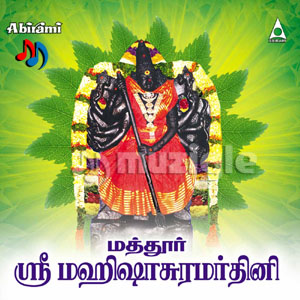
மத்தூர் ஸ்ரீ மஹிஷாசுரமர்தினி அம்மன்

Ayi giri nandini, nandhitha medhini,
Viswa vinodhini nandanuthe,
Girivara vindhya sirodhi nivasini,
Vishnu Vilasini Jishnu nuthe,
Bhagawathi hey sithi kanda kudumbini,
Bhoori kudumbini bhoori kruthe,
Jaya Jaya hey Mahishasura mardini,
Ramya kapardini, shaila Suthe. 1
**********************************

On the recommedation of one of my viewers,  Mr. Suresh Thulasidharan, who had dropped in his suggestions/comments way back in 02/26/2010, asking me to give a write-up on a temple near Thiruthani being the "Mathur Shri Mahishasuramarthini Temple"I thought I should fullfil his request on this.

For some reason or the other, I did not get the right opportunity to visit this temple for so long and now it makes me very happy to say here that I could finally get this wonderful opportunity in visiting this temple, en route from Thiruthani, after having performed "Paal Abhishegam" for Thiruthani Murugar on 21st March, 2011.  We had a wonderful and satisfying darshan in the Moolavar Sanithanam during the Abhishegam.  Thanks to Gurukkal Shankar, Thiruthani,  I should say, for making our day so pleasant and satisfying all the whole.

Lord Muruga as Arumuga with Valli and Devasena
at Thiruthani Temple


My visit to the Shri Mahishasuramarthini Temple - Mathur,[about 8 kms from Thiruthani] was a fullfiling and satisfying one in all respects.  The "Swayambu Amman", found near the Railway track in a place called Sakthimedu, about 45 to 50 years back, stands in a magnificient posture, in all her glory in the temple consecreted for her. The Amman is about 6 to 7 feet tall, powerful and radiant.  The Gurukkal, one Shri Manikandan, had done the alangarams for the Amman in an impressive manner. He was of course, waiting for our arrival.  


should say here that the Amman still stands before my eyes in all her Glory and Splendour. The Neem Tree here is the Sthala Vruksham.  It is said here that the Neem leaf from this  tree is not sour as it found in other neem trees and I also tasted it and found the leaf to be very tasty instead of sour! 


This temple, like many temples in and around Tamil Nadu, is not known to many of the people.  I am sure after reading this posting on this wonderful temple, people from all over India  and elsewhere, will definitely make it a point to visit to this temple en route Thiruthani.  

Contact Person in the Temple: Shri Manikandan Gurukkal
Mobile No: 94433 55835

May the Amman's Blessings be with us always.

For all my viewers, I give here, a write up in Tamil, on this wonderful Temple, dedicated to "Shri MahishasuraMarthini Amman", Mathur. 


You may also watch the 3 Videos I have put her at the end of the posting, on Goddess Mahishasura Marthini.


மத்தூர் ஸ்ரீமஹிஷாசுரமர்தினி அம்மன் ஸ்தல வரலாறு.

உலகங்கள் யாவற்றையும் கடைக்கண் அருட்பார்வையினால் காக்கின்ற தெய்வம் அம்பிகை.  திருவள்ளூர் மாவட்டம் திருத்தணி வட்டம், மத்தூர் கிராமத்தில் எழுந்தருளியிருக்கும் "மஹிஷாசுரமர்தினி அம்மன்".
பூமியில் இருந்து வெளிப்பட்டு சுமார் 45 ஆண்டுகளாகின்றன. இத்திருத்தலம்  64 சக்தி பீடங்களுக்கு இணையாக வைத்துப் போற்றப்படுகிறது.


மத்தூர் எல்லையில் 1964 ஆம் ஆண்டு அரக்கோணம் - ரேணிகுண்டா இரண்டாவது இருப்பு பாதை போடும் பணி நடைப்பெற்றபோது சக்திமேடு என்ற இடத்தில் கூலியாட்கள் கடப்பாறையால் மண்ணைப் பெயர்த்தார்கள்.  ஒரு கூலியான் கடப்பாறையால் பூமியைக் குத்தும்போது "டங்" என்று வெங்கல சப்தம் கேட்டது.  அந்த கூலியான் வெங்கல் தெய்வ அருளால் மயக்கமடைந்தான்.  கூட்டம் கூடி மண்ணை அகற்றினர். அப்போதுதான் அந்த அதிசயம் கழ்ந்தது.  அன்னை மலற்ந்த முகத்தோடு, எட்டு கரங்களுடன்
கம்பீரமான திரு உருவத்தோடு பூமியில் இருந்து நம்மை காக்க எழுந்தருளினாள்.

மத்தூர் ஸ்ரீ மஹிஷாசுரமர்தினி அம்மன்
திருக்கோயில்
சக்தி பீடம்

அன்னை மஹிஷாசுரமர்தினி பல ஆண்டுகளாக பூமிக்குள் இருந்த போது அந்தபகுதி "சக்திமேடு" என்று பெயர் பெற்று விளங்கியது.  இங்கு உச்சிப்பொழுதில, இரவு நேரத்திலோ வருபவர்களை அன்னை தனது மகா சக்தியால் மூர்சையுறச் செய்து வந்தாள்.  அன்னையின் திருவுருவம் புதைந்து கிடக்கும் இரகசியம் தெரியாமல் மக்களிடத்தில் ஒருவித பயபக்தி நிலவி வந்தது.  அன்னையின் திருவுருவம் வெளிப்பட்ட பின் இன்றுவரை இதுபோன்ற நிகழ்ச்சிகள் இங்கு நிகழ்வதில்லை.

இக்கோயிலின் ஸ்தல விருட்ஷம் - வேப்ப மரம்


வேப்பிலை மகத்துவம்

அம்மனுக்கு நேர் எதிரே உள்ள வேப்ப மரம் இக் கோயிலின் ஸ்தல விருட்ஷமாகும்.  அம்மனின் அருள் நிறைந்த இந்த வேப்ப மரத்தின் வேப்பிலை கசப்பதில்லை.  ஸ்ரீ மகிஷாசுரமர்த்தினி அன்னை இந்த வேபப
மரத்தின் வேப்ப இலையில் உள்ள கசப்பை தான் ஈர்த்துக் கொண்டாள்.  இது போலவே தான் ஏற்றுக்கொண்டு அனைவருக்கும் நல்லருள் வழங்குகின்றாள்.  ஸ்தல விருட்ஷமான வேப்பமரத்தின் வேப்பிலை பிரசாதத்தை உண்டு சகல சௌபாக்கியங்களையும் பெருவோமாக.  அன்னை ஸ்ரீ மகிஷாசுரமர்த்தினி சாந்த சொரூபினியாகவும், மலர்ந்த முகத்தோடும் மூலவராக வீற்றிருப்பது இக்கோயிலின் தனிச்சிறப்பாகும்.

மகிடாசுரனும் மத்தூர் மஹிஷாசுரமர்தினி அம்மனும்


மகிடாசுரனும் மத்தூர் மஹிஷாசுரமர்தினி அம்மனும்

எருமையின் வடிவம் கொண்ட [மகிடம் எருமை] மகிஷன் என்னும் அரசன் பல காலம் பிரம்மாவை நோக்கி தவமிருந்து பல்வேறு வரங்களுடன் ஒரு பெண்ணால் மட்டும் எனக்கு மரணம் வரலாம், வேறு யாராலும் எனக்கு மரணம் விளையக்கூடாது என்று வரம் பெற்றிருந்தான்.  பெற்ற வரத்தால் தேவர்களை வாட்டி வதைத்து வந்தான்.  தேவர்கள் அத்த அசுரனை அழித்து தங்களைக் காக்க எலலாம் வல்ல அம்பிகையின் அருளை பெற வணங்கி வேண்டினார்கள்.  மகிடாசுரனை வதைக்க தேவி புறப்பட்டாள்.  பராசக்தியே தன்னை அழிக்க வந்திருப்பது தெரியாமல் "நீ என்னைத் திருமணம் செய்து கொண்டால் அகில உலகத்திற்கும் தலைவியாகலாம்" என்று பிதற்றினான்.  அம்பிகை மகிடாசூரனை அழிக்க ஒன்பது நாள் தவமிருந்து பேராற்றலைப்பெற்று ஒன்பதாம் நாள் மகிடாசுரனின் ஆணவத்தை அழித்து அவனுக்கும் அருள் புரிந்தாள்.  இவ்வாறு தேவர்களுக்கும், உலக மக்களுக்கும் நலம் விளைவித்து மகிடாசுரமர்தினி ஆனாள்.  அந்த நாட்களையே நாம் " நவராத்திரி" தினமாக கொண்டாடி மகிழ்கிறோம்.

எட்டு கரங்களுடன், சிம்ம வாகனத்தில் வந்த அன்னையின் திருசூலம் அசுரனின் உடன்மீது பட்டதும், அவன் தனது தவறை உணர்ந்து தாயை வணங்கினான்.  அம்பிகை அவனை மன்னித்து அருள்புரிந்து அவன்மீதே ஆனந்த தாண்டவம் புரிந்தாள்.  எங்கும் காண்பதற்கரிய இத்திருக்கோலத்துடன் மஹிஷாசுரமர்தினி அம்மன இத்தலத்தில் எழ்ழுந்தருள் புரிகிறாள்.

இத்திருக்கோலத்தை அபிராமி அந்தாதி அருளிய " அபிராமி பட்டர்" 

" சுந்தரி எந்தை துணைவி என் பாசத்தொடரை எல்லாம்
வந்து அரி சிந்துர வண்ணத்தினாள், மகிடன் தலைமேல்
அந்தரி நீலி அழியாத கன்னிகை ஆரணத்தோன்
கம் தரி கைத்தலத்தாள் -- மலர்த்தாள் --  என் கருத்தனவே "  என்று பாடியுள்ளார்.  

அன்னையின் அருள் வடிவம்

எட்டு கரங்களில் சங்கு சக்கரம், வில்,  மாலை ஆகியவற்றை தரித்து மகிடாசுரனை தனது திருசூலத்தால் குத்தி வென்ற அருட்பார்வையால் உலகினை நோக்கும் சாந்த சொரூபினியாக அன்னை எழுந்தருள் புரிந்து
வருகிறாள்.  ஏழு அடிக்கும் மேல் நெடிதுயர்ந்து மகிடாசுரனின் தலையின் மேல் அன்னை நடனம்புரியும் காட்சி காண்பவர்களுக்கு பக்திப் பரவசத்தையும் மற்றும் மீண்டும் மீண்டும் பார்க்கத் தூண்டி பிரமிப்பையும்
மெய்சிலிர்ப்பையும் ஏற்படுத்தும்.

மகிடாசுரனை தனது திருசூலத்தால்
குத்தி வென்ற காட்சி
மஹிஷாசுரமர்தினி தத்துவ விளக்கம்

கடும் தவம் புரிந்து கிடைப்பதற்கரிய வரங்களைப் பெற்றாலும், பெற்றதன் நோக்கம் நல்லதாக இல்லாவிட்டால் அழிவு நிச்சயம் என்ற உண்மையைத்தான் இந்த மகிடாசுரவதம் விளக்குகிறது.  மேலும்,
மகிடன் எனும் அரக்கனை அழித்து அன்னை அவன் தலைமீது திருநடனம் புரிவது போல் உள்ள அன்னையைத் தூய அன்போடும், பக்தியோடும் வழிபடும் அன்பர்களின் வாழ்வில் ஏற்படும் துன்பம் என்னும் அரக்கனை அழித்து, அவர்களின் உள்ளத்தில் அமைதியையும் மன மகிழ்ச்சியையும் ஏற்படுத்துபவளாக அன்னை என்றென்றும் விளங்கி அருள்புரிகிறாள் என்னும் தத்துவத்தை அன்னையின் திருவுருவம் விளக்கி நிற்கிறது.

ஓலைச்சுவடியில் அம்மனின் திருப்பெயர்

பலநூறு ஆண்டுகளுக்கு முன்னால், அகத்தியர், கௌசிகர் போன்ற அருளாளர்களால் எழுதப்பெற்று பாதுகாத்து வரப்படும் ஓலைச்சுவடிகளின் மத்தூர் மஹிஷாசுரமர்தினி அம்மனின் பெயர் பதியப்பட்டு,
உலகமக்களுக்கு ஏற்படும் துன்பங்களுக்கும், அத்துன்பங்களில் இருந்து விடுபட அம்பிகைக்கு செய்ய வேண்டிய நேர்த்திக் கடன்களும் அந்த ஓலைச் சுவடிகளில் பதியப்பட்டிருப்பது நம்மையெல்லாம் அதிசயிக்க வைக்கும் செய்தியாகும்.  இவ்வாறு வைத்தீஸ்வரன் ஓலைச் சுவடிகளில் மத்தூர் மஹிஷாசுரமர்தினி அம்மனின் திருப்பெயரையும் அம்பிகைக்கு செய்ய வேண்டிய நேர்த்திக் கடனையும் பார்த்துத் தெரிந்து, அன்னையை வழிப்பட்டு, அவளது திருவருளைப் பெற்று வாழ்வில் வளமும் நலமும் பெற்றவர்கள் மிகப் பலர்.

நவகிரஹம் 
திருக்கோயிலில் நிகழும் சிறப்பு நிகழ்ச்சிகள்

ஒவ்வொரு செவ்வாய், வெள்ளி மற்றும் ஞாயிற்றுக் கிழமைகளில் நடத்தப்படும் இராகு கால சிறப்பு அர்ச்சனைகள்:

1.  ஒவ்வொரு அம்மாவாசை, பௌர்னமி நாட்களில் நண்பகல் 12.00 மணிக்கு அம்பிகைக்கு நடத்தப்படும் 108 குடம் பால் அபிஷேகம்.

2.  பௌர்னமி நாட்களில் இரவில் 9.00 மணி முதல் 11.00 மணி வரை நடத்தப்படும் நவகலச யாக பூஜைகள், 108 சங்காபிஷேகம்.

3. தமிழ் புத்தாண்டு தினத்தன்று நடத்தப்படும் 1008 பால்குட அபிஷேகம், சிறப்பு பூஜையும் மற்றும் ஆங்கில புத்தாண்டு சிறப்பு அபிஷேகமும் பூஜையும், அதன் பின்பு அம்மனுக்கு செய்யப்படும் செம்பு கவச அலங்காரம் பார்க்க பரவசமூட்டும்.

4. நவராத்திரி விழாவில் ஒன்பது நாட்களிலும் நிகழும் சிறப்பு பூஜைகள், சந்தனக் காப்பு, மஞ்சள் காப்பு நடை பெரும்.  இதனை பார்க்க பரவசமூட்டும்.  வீபுதி காப்பு, மலர் அலங்காரம், தேங்காய்ப்பூ அலங்காரம் நடை பெரும்.

இக் கோயில் இருக்கும் இடம்

உலகம் போற்றும் சிறப்பும், பெருமையும் மிக்க மத்தூர் அருள்மிகு மஹிஷாசுரமர்தினி அம்மன் ஆலயம், திருத்தணி - திருப்பதி நெடுஞ்சாலையில், திருத்தணியில் இருந்து 8  கி.மீ தூரத்தில் உள்ள பொன்பாடி இரயில் நிலையத்தில் இருந்து மேற்கே சுமார் 2 கி.மீ. தூரத்தில் அமைந்துள்ளது.  கோயில் முகப்புவரைச்செல்ல திருத்தணியில் இருந்து T71,  97E , 400JJ மற்றும் 97 M  ஆகிய எண்கள் கொண்ட பேருந்துகள் தினமும் இயக்கப்படுகின்றன.  ம்ற்றும் பொன்பாடியிலிருந்து ஆட்டோக்களும் எந்த நேரமும் இயக்கப்படுகின்றன.

சிறப்புமிக்க இந்த ஆலயத்தில் வளர்ச்சித் திருப்பணிகள் நடைபெற்று வருகின்றன.  அன்பர்கள் இயன்று பொருளுதவி புரிந்து அம்பிகையின் அருளுக்கு பாத்திரமாகும்படி இக் கோயில் அதிகாரிகள் தாழ்மையுடன் கேட்டுக் கொள்கிறார்கள்.

நன்கொடை வழங்குபவர்கள் அனுப்பவேண்டிய முகவரி:

இணை ஆணயர் / செயல் அலுவலர்,
அருள்மிகு சுப்பிரமணி சுவாமி திருக்கோயில்,
திருத்தணி - 631 209. 

என்ற முகவரிக்கு நேரடியாகவோ, அஞ்சல் வழியாகவோ தொடர்பு கொள்ளலாம்.
*********************************
Please click on the links below for Mahishasura Mardhini Stotram Videos:

http://www.youtube.com/embed/JiWetv8TOwg

http://www.youtube.com/embed/LwwDL1XirQw

http://www.youtube.com/embed/CK3mMiZsxJo

22 March 2011

Sri Kapaleeswarar Temple Brahmotsavam


Sri Kapaleeshwarar Temple, Mylapore

The 10 day Panguni Thiruvizha of the Karpagambal Kapaaleeswarar temple in Mylapore, Chennai was celebrated from March 10th this year[2011], marking the start of the annual festival in Mylapore, which attracts people from all parts of the world.  

Kapaleeshwarar Temple Gopuram,  Mylapore

On all 10 days, Vinayakar, Kapaleeswarar-Karpagambal, Murugar with Valli Deivayaanai and Chandikeswarar [Ainthirumenigal - 5 deities] are taken in procession around the 4 Maada veedhis on different vahanams on pallakkus, palanquins, chariots.  As an opportunity for the asuras and demons to redeem themselves from their sins and bad actions, they are also used by the Lord as His vahanams during this 10 day festival.  
The flag on the Dwajastambam marks the commencement of the festival
The Flag with the sacred symbols and inscriptions to ward off all evil during the Festival
1.  10th March 2011 - Thursday Kodiyaetram The flag was hoisted on Panguni Uthiram, on 10th March 2011  marking the commencement of the festival. 
The Lord gives darshan in the mandapam at 6.30 am. The flag hoisting  took place around 7.00 am to 7.30 am with the Lord on Pavazha kaal vimaanam.

Lord Ganesha after Kodiyetram

Sri Karpagambal as peacock-hen worshiping Lord Shiva
10th March,2011 at around 9.30pm Karpagambal is in the form of a peacock-hen with trees as  vahanams:  In the evening at 10.00 pm, the deities were taken in procession on trees as vahanams - Punnai maram, Karpaga maram and vengai maram] Karpagambal can be seen here, in the form of a peacock, worshipping the Lord.

Punai Vruksh
Vengai Vruksh
Karpaga Vruksh
Sooriya Prabhai
Chandra Prabhai
Killi[Parrot] Vihanam
2.  11th March 2011 - Friday - Sooriya Prabhai [Morning] Chandra Prabhai [Evening]: On this day, there is the procession of the Lord - the Surya vattam at 8.30 am and Chandra vattam at 9.00 pm.  In the night, the procession of Karpagambal on kili vahanam [parrot] and Murugar with Valli and Dievayaanai on Annapakshi vahanam [swan] was a delight to watch.  

Annapakshi[Swan]
Murugar with his consorts
3.  12th March 2011 - Saturday Adhikara Nandhi, Gandharva, Gandharvi, Mooshika, Rishaba vaahanams  
Adhikaara Nandhi, an important procession is celebrated on this day.  Kapaleeswarar is seated on a huge silver [kavasam] Adhikaara Nandhi,   Karpagambal on a Gandharvi, Murugar with Valli Deivayaanai on a Gandharvan, Vinayagar on a Mooshikam and Chandikeswarar on a silver rishabam.  At 9.30 am is the celebration of Ambal feeding Thirugnana Sambandar with Gnaana Paal 


Lord Ganesha
Adhikara Nandhi
Gandharvi
Gandharvan
12th March 2011-  9pm -  Boodhan, Boodhaki, Tharagaasura vaahanams. 

Boodha Vahanam

Boodhagi Vahanam
Tharugasura Vahanam
4.  13th March 2011 - Sunday - Purusha mirugam [partial man, partial animal- a gargoyle], Lion, Tiger vaahanams 

Simha Vahanam
Vyaagra Vahanam
13th March 2011 - 9.00 pm - Snake, Kamadhenu, Ram vaahanams 
Sesha Vahanam
PURUSHA MIRUGHA VAHANA SEVA
Mesha Vahanam
Kamadhenu Vahanam
5.  14th March 2011 - Monday9.30 am - Sowdel Vimanam  
14th March 2011 - Monday -11.00 pm - Velli [silver and Thanga[gold] Rishaba vahanam 

Sowdel Vimanam
Lord Murugar on Peacock Vimanam
Velli Rishaba Vahanam
Thanga Rishaba Vahanam
Mayil Vahanam
Karpagambal
6. 15 March  2011  - Tuesday Pallakku procession 
15 March 2011- Tuesday10.30 pm - Elephant vaahanam for all five deities  

Pillayaar Pallakku
Murugar Pallakku
Karpagambal Pallakku
Kapali Pallakku
Thanga Yaanai
Vallai Yaanai
7. 16 March 2011 - WednesdayTherottam [Chariot, Car Festival]

This is an important event of the 10 day festival.  The Lord is seated in a huge chariot which is richly decorated with thoranams and  floral garlands present a kaleidoscope of colors and adornments which pleases both the eyes and the mind.  There are wonderful carvings and sculptures of yazhis, horses, guards on the chariot. It is considered a great pious act to draw this chariot.  Devotees voluntarily draw the chariot. In the evening the idols from the thers are taken back to the temple.  All the Gods and Goddesses are taken round the four Mada streets in a chariot drawn by thousands of people.  


Pillayaar Ther
Kapali Ther


Karpagambal Ther
Murugar Ther

Chadeeswarar Ther
ThiruTher

Beautiful ornamentation of the Ther
Sri Karpagambal with beautiful Jadai Alangaram
8.  17 March 2011 - Thursday11.00 am - Thirugnana Sambandar giving life to Poombavai 


This day marks  the Saivaite Nayanar, Tirugnanasambandar. Once, Sambandar who was on a pilgrimage to the various Siva temples, visited Mylapore on his way. Prior to his visit, a young girl called Arum Poompavai, the daughter of a trader, Sivanesa chettiar, died of a poisonous snake bite. The chettiar, a stanch devotee of Lord Siva, was hopefully waiting for the arrival of Sambandar to Mylapore to revive his dead daughter. The Nayanar coming to know of the untimely death of the girl, prayed to the Lord and  invoked her from the ashes preserved in a pot, by singing a verse, asking her why she had gone away without seeing the festivals of Sri Kapaleeswarar:


This famous verse of Sambandar is this:
மட்டிட்ட புன்னை அம்கானல் மடமயிலைக்
கட்டிட்டங் கொண்டான் கபாலீச்சரம் அமர்ந்தான்
ஒட்டிட்ட பண்பின் உருத்திரபல்கணத்தார்க்கு
அட்டிட்டல் காணாதே போதியோ பூம்பாவாய் – சம்பந்தர்

It is said, at the end of this verse, the girl rose from the ashes like getting up from sleep. There is a shrine within the temple near the Dwajasthambam for Tirugnana Sambandar and Angampoompavai
Kapalipinalangaram
Lord Kapali
Karpagambal
Ambal Pinalangaram
17 March 2011 - 3.30 pm - The Aruvathumoover festival: A procession of the 63 Naayanmaars and the Ainthirumenigal.  This day is  considered to be the most important event of this series, is a huge crowd puller in several thousands from in and around Mylapore coming to witness and participate in this grand festival.  On this day, some of the other deities in Mylapore like Arulmighu  Kolavizhi Amman, Mundaka Kanni Amman, Draupathi Amman and others joine the procession of the 63 Nayanmars, who had immortalized themselves by their devotion or bhakthi to the Lord.


Nayanmaars taken in procession

63 Nayanmars before Lord Shiva

63 Naayanmars taken in Procession


Velli Vimanam


Karpagambal in Silver Vimanam


Murugar, Valli and Deivanai


Pillayaar


ThirugnanaSambandar on 63var Day


Angam Poombhavai

Sundarar
Thiruvalluvar-Vasuki
Thirunavukkarasar
Valleeswarar
Chandeeswarar
Manickavasagar
Arulmighu Angaala Parameshwari Amman
Mundaka Kanni Amman taken in procession
9.  18 March 2011 - Friday - Pichadanar -  3.30 pm - Iravalar Kolavizha
   
Pichandar-Lord Shiva known for his playful deeds, takes this form and goes round the mada
streets for collecting money for his marriage!
The Ainthirumenigal are taken in procession both morning and in the evening.  At 6.30 pm, during the evening procession, Kapaleeswarar as Bikshaadanar has a begging bowl in his hand.  He is supposed to have spent all his wealth for the festival preparations ; hence has no money to wed Karpagaambaal.  He collects money from his devotees for the wedding celebrations.  


10.  19 March 2011 - Saturday 3.30 pm - Thiru Kalyaanam [Panguni Uthiram]  
On the final day, Ainthirumenigal are taken in procession in the morning [Thiru Kootha Perumaan - Natarajar] and theerthavaari is performed getting the idols ready for the evening celebrations.

Thirukalyanam

 Karpagambal with Thaali after She weds Kapaleeswarar
At 7.30 pm, Karpagaambaal in the form of a mayil [peacock], offers worship to Lord Siva under the punnai maram.  At 10.45 pm, the divine wedding takes place.  
Karpagambal worshiping  Lord Shiva in Peacock form
Kailasa Vahanam
Lord Shiva taken by Ravana to Kailaayam
The couple are then taken to their abode Kailaayam, lifted by Raavana, an ardent devotee of Shiva. 

One may be wondering why Ravana is with only nine heads in this picture. The  story behind this is:

The legend has it that Ravana, the mighty emperor of the Rakshasas and an ardent devotee of Lord Siva started lifting Kailash to take it to his mother’s abode  to enable her to worship the Lord, as she was disabled to move on account of her old age. The mountain Kailash started shaking a little and on seeing this, the Lord Siva stamped on Ravana and he was caught crushed beneath the mighty mountains. Later, as a measure of redemption to what he had done, Ravana, who was also a talented celestial  musician, started singing with an improvised Veena as an accompaniment to please the Lord. This veena, in his hands, was made of by clipping one of his heads and other parts of his body.  


Kailasa sevai is  beautiful and inspiring to watch, with the huge idols of the demon Ravana carrying Lord Siva, measuring some fifteen to sixteen feet tall and about eight feet wide. It fills the entire doorway of the temple tower. The seva, with lots of beautifully decorated big, colorful, flowing flower garlands is a fitting finale to the Panguni Uthiram festivals at the Kapaleeshwarar Temple.  


The festival came to a close on 20-03-2011.  

The flag is brought down as an indication of the completion of the 10 day festival.  The festivities come to an end with Chandeswarar vizha. 

The next day, the divine couple give darshan as Uma Maheswarar. 

It is believed that the Lord comes out in procession to give darshan even to those devotees who are unable to visit his temple for various reasons.  He comes out of his abode to meet and bless his devotees.

Festive Air in the Mada Streets of Mylapore
During the 10 day festival, Mylapore turns into a place of intense activity and there is a festive look to the entire place with all the people enjoying the festival with their families.  

Sri Kapaleeshwarar Temple, Mylapore
To get to know more on Punguni Uthiram Festival, you may also see my posting:


http://divyadarisanams.blogspot.com/2011/02/panguni-uthiram-festival.html


To learn more on the aspects and significance of this Panguni Festival, you may click on the below link:


http://www.thehindu.com/todays-paper/tp-features/tp-downtown/article1533218.ece

Related Posts with Thumbnails